


How human needs drive the psychology of consumer behaviour
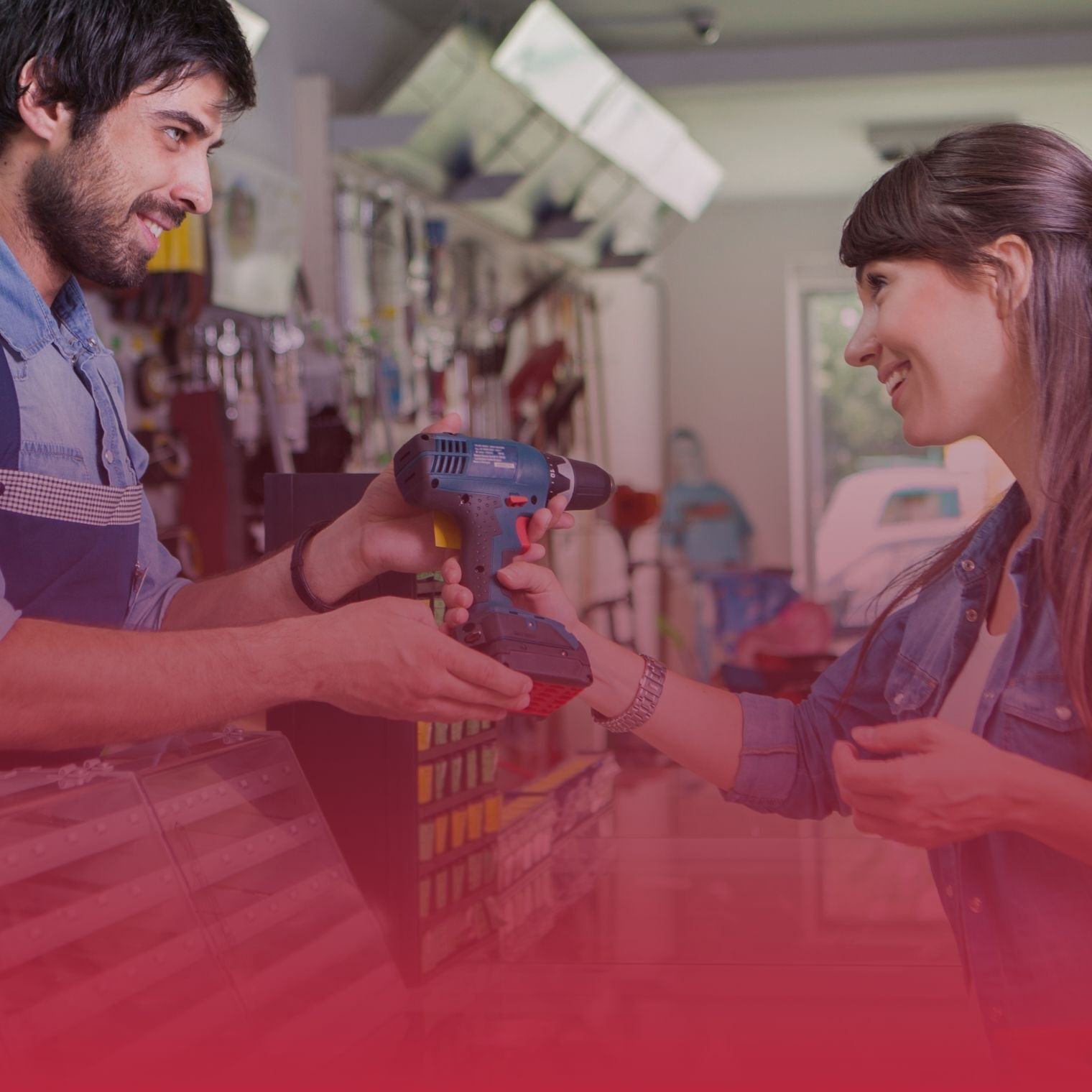
A major home improvement and interior design retailer had everything a shopper could need to brainstorm, plan, and execute a home DIY project. Window blinds in 80 shades of orange. Brightly lit aisles showcasing the craftsmanship behind every product.
To top it all off: a bright yellow bathtub mounted prominently on a display wall. This was the thing that would make customers stop and think: “If they have that, they must have everything!”
So why were customers peeling off midway through their DIY projects and flocking to the store’s competitor? It wasn’t because their inventory was inferior. It wasn’t because their prices were uncompetitive.
Nor was it because of the yellow bathtub. At least… not entirely.
Through ethnographic research, we learned that the psychology of the consumer was rooted not in product selection or price, but something more unexpected: shame and discomfort.
How the psychology of the consumer drives consumer behaviour
That bright yellow tub, along with the endless selection of window shades and other items, created a halo effect that drew in customers looking to dream up their most ambitious DIY ideas. However, that same aspirational presentation also created an unintended barrier.
Imagine you’re three hours into ripping out drywall, covered in dust and plaster, wearing your worst clothes, when you realize you need a drill bit for a concrete wall. Do you visit the museum, or do you visit the hardware store?
To customers, that yellow bathtub said, “museum.” On the other hand, the competing store’s unpolished aisles and utilitarian layout screamed “hardware store”. A place where you come as you are, grab that pesky drill bit, and get back to work.
The retailer thought they were losing customers because of what they didn’t have. The real issue was how their store environment made mid-project customers feel when they were dirty and exhausted. They felt unwelcome.
The gap between problems and solutions is narrow. The gap between human needs and consumer behaviour is vast and often perplexing. Senior qualitative researchers know that that’s where you’ll find your most important insights.
Empathetic research means getting your hands dirty
The space between what people say motivates them and what actually drives their behaviour is one of the most reliable patterns in consumer research. We rationalize our choices to align with who we want to be, constructing narratives that feel true even when they're incomplete.
A shopper might say they choose a store for its product selection or competitive pricing, and believe what they say. But behaviour tells a different story: one shaped by unspoken needs like belonging, comfort, and how a space makes them feel in a particular moment.
We reveal these unspoken preferences with empathetic research: observing consumers in their natural environment. The psychology of the consumer reveals itself not in focus groups where they perform their best selves, but in their basements mid-renovation, or in the aisles of stores where their body language reveals what their words might hide.
We then map the customer journey. It doesn’t start when a shopper walks through the door. For this retailer’s customers, it might start with a mood board on Pinterest, a new apartment lease, or a new piece of furniture that sparks inspiration.
Similarly, the journey doesn’t end when they leave the store. That’s why we joined the retailer’s customers on their weekend DIY projects. Not as observers in lab coats, but as participants in the messy, unpredictable reality of home renovation.

Last but not least, we participate in the consumer experience. We showed up at basement renovations, watched real people tackle real problems, and even lent a hand where we could. We also accompanied them on mid-project supply runs.
What we found had nothing to do with what customers said in preliminary interviews about product selection or store loyalty. The insight emerged from a simple observation: DIY-ers didn’t have the time to change out of their dirty work clothes.
Amid the stress and fatigue of time-consuming, physically demanding work, washing up felt like wasting precious minutes. With its tasteful displays and well-lit aisles, this store made customers feel downright obligated to wash up before entering.
So the challenge for the retailer was to prove to shoppers that they could start and end their journeys at their stores. In other words, they were welcome every step of the way, regardless of their appearance.
Human needs, human solutions
Stepping into shoppers’ shoes helped us to suggest ways for the retailer to meet their customers where they were.
A dedicated side-entrance separate from the showfloor that would let mid-project customers stop in quickly on their equipment runs. A help desk where a specialist can see customers eye-to-eye, whether they’re a novice who’s never bought a box of screws or a contractor who knows equipment specs by heart.
Customers had associated the retailer with the beginning and end of their journey: the place they would start in order to envision where their projects would end up. By accompanying customers throughout the middle of their journey, we revealed strong human truths and recommended actions to ensure the retailer didn’t get left behind halfway through.
Insights hide in plain sight
In the end, neither the problem nor the solution was as obvious as a bright yellow bathtub. The forces that shape consumer behaviour are often invisible. In the retailer’s case, those forces were hiding in plain sight because they were tied to emotions like shame or overwhelm that come with feeling out of place or in over your head.
These hidden drivers don't show up in sales data or customer surveys. They live in the gap between what people say they want and what they actually do. Between the rational explanations customers offer and the emotional realities that guide their choices.
This is why qualitative research matters. Not because it tells you what's broken, but because it reveals what you couldn't see was there in the first place. Through the power of cultural insights, it transforms assumptions into understanding, and understanding into action.
For the retailer, that meant reimagining their role in the customer journey: not as a destination, but as a partner present at every stage. The side entrance and help desk weren't just architectural changes. They were an acknowledgment that customer needs shift, and that meeting people where they are requires understanding where they've been and where they're going.
The real question isn't whether your customers are choosing you. It's whether you truly understand why they're choosing you, or why they're not.
At Sylvestre & Co., we ask questions that decode culture and bring these deeper truths to light. Our human-first approach to research prioritizes connecting with customers through cultural understanding.
The insights we provide can often defy quantification. But we’ll guarantee clear action and equally clear results. Let’s start with the first question: What can we do for you?


